Sympathetic Blocks
Sympathetic nerve blocks target specific ganglia to manage chronic pain from stellate ganglion, lumbar sympathetic, celiac plexus, hypogastric plexus, superior hypogastric plexus, and ganglion impar.
Share this page:
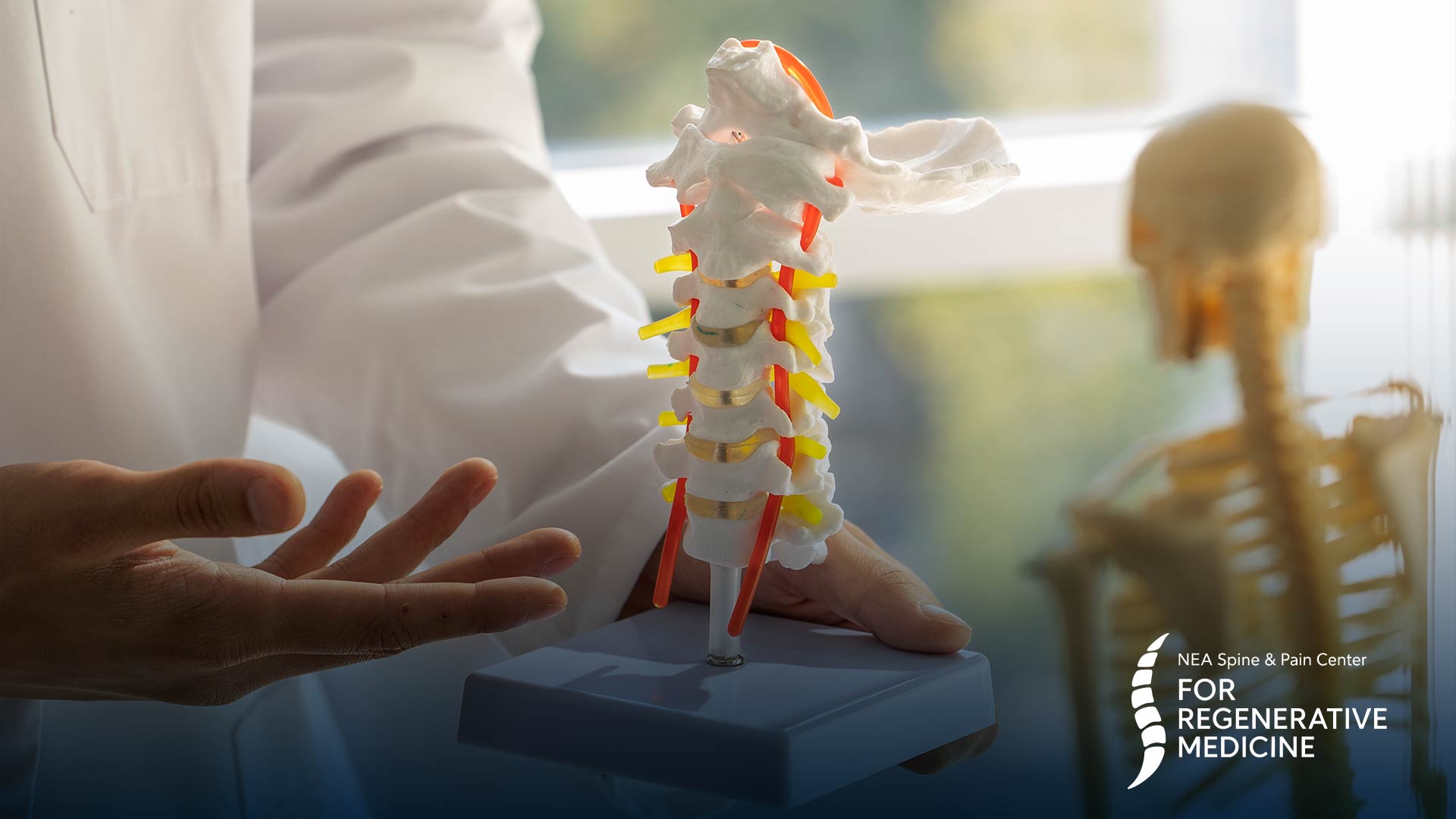
The sympathetic chain is a collection of nerves that extends from the base of the skull through the spine. The sympathetic chain traverses the vertebral bodies.
The nerves join together to form ganglia at specific locations. Ganglia are nerve centers that are situated external to the brain and consist of clusters of nerve cells. Neural transmission to and from various regions of the body is the responsibility of each ganglion. The sympathetic chain is composed of these ganglia.
The sympathetic chain is a component of the autonomic nervous system, which regulates functions that occur automatically and unconsciously (e.g., blood vessel dilatations, heart rate changes, or sphincter contractions). A variety of nerves, such as the stellate ganglion (located in front of the 6th-7th cervical vertebrae), celiac plexus (abdomen), lumbar sympathetic chain, superior hypogastric plexus, and ganglion impar, can be targeted by sympathetic nerve blocks.
The stellate ganglion injection is intended to alleviate symptoms associated with post-traumatic stress disorder (PTSD), CRPS of the upper limb, and hot flushes associated with menopause or cancer treatments. Following treatment, patients frequently report reduced pain and enhanced circulation.
Lumbar sympathetic injection is commonly employed to alleviate complex regional pain syndrome (CRPS) or other types of neuropathic pain in the legs and feet by targeting the sympathetic nerves in the lower back. It can also assist in the reduction of edema, the enhancement of skin lesion healing, and the improvement of blood circulation in the lower extremities.
Celiac plexus injection is frequently employed to alleviate chronic abdominal pain, particularly in patients with chronic pancreatitis, Crohn’s disease, or pancreatic cancer. The objective is to diminish the necessity for potent pain medications, such as narcotics.
Ganglion impar injection is beneficial for individuals who experience pelvic, rectal, perineal, or coccygeal pain. It is frequently employed to alleviate pain associated with conditions such as chronic prostatitis, endometriosis, pain following gynecological or rectal surgeries, or cancer pain from the distal third of the vagina, vulva, or rectal region.
The hypogastric plexus block can alleviate chronic pain or pain associated with cancer in any of the aforementioned regions. The superior hypogastric injection is a relatively recent addition to the treatment of pelvic pain, for both malignant and non-malignant conditions. If you are experiencing deep pelvic pain, the hypogastric plexus injection can considerably improve your quality of life and alleviate pain.
2- The patient is positioned on the fluoroscopic table, as all procedures are conducted under fluoroscopic guidance (live x-ray) to ensure safety and accuracy.
3- The patient is anesthetized and hydrated intravenously.
4- The procedure needle is subsequently positioned accurately using endoscopic ultrasonic guidance, CT (Computed Tomographic), or fluoroscopy.
5- Dr. Abraham injects an anesthetic solution, steroids, or other chemicals in the targeted ganglion.
• Pain at the injection site, failure to achieve an analgesic response, and needle injury to visceral, neural, and vascular structures are among the complications.
• Bleeding diathesis and local infection are contraindications to these procedures.
If you’re struggling with persistent pain, sympathetic blocks may provide the relief you need. Schedule a consultation with Dr. Abraham, board-certified anesthesiologist and pain management specialist at New England Advanced Spine and Pain Center for regenerative medicine, to explore safe and effective options tailored to your condition.
The nerves join together to form ganglia at specific locations. Ganglia are nerve centers that are situated external to the brain and consist of clusters of nerve cells. Neural transmission to and from various regions of the body is the responsibility of each ganglion. The sympathetic chain is composed of these ganglia.
The sympathetic chain is a component of the autonomic nervous system, which regulates functions that occur automatically and unconsciously (e.g., blood vessel dilatations, heart rate changes, or sphincter contractions). A variety of nerves, such as the stellate ganglion (located in front of the 6th-7th cervical vertebrae), celiac plexus (abdomen), lumbar sympathetic chain, superior hypogastric plexus, and ganglion impar, can be targeted by sympathetic nerve blocks.
Conditions treated by sympathetic blocks:
Peripheral tissues may experience pain as a result of the sympathetic nervous system's mistaken actions. Complex regional pain syndrome (CRPS) is the typical example of this phenomenon. The autonomic component of the disease is suggested by the presence of regional edema in the skin and concomitant irregularities in blood flow/temperature and pseudo-motor regulation. A stellate ganglion block is employed to treat CRPS in the upper extremity, while a lumbar sympathetic block is used to treat CRPS in the lower extremity.• Sphenopalatine ganglion block
The sphenopalatine ganglion (SPG) is a group of trigeminal nerve cells located in the back of the nasal passages and it is connected to the brainstem and the meninges by the trigeminal nerve, which is a major nerve involved in headache disorders.
Sphenopalatine ganglion block is beneficial for individuals who experience headache disorders, such as, trigeminal neuralgia, migraine, cluster headache, trigeminal autonomic cephalalgia, and trigeminal neuropathy.
• Stellate ganglion block
The stellate nerve ganglion is a collection of sympathetic nerves located on both sides of the trachea in the neck. This nerve is responsible for regulating blood flow to the face, head, and neck, as well as transmitting pain signals.The stellate ganglion injection is intended to alleviate symptoms associated with post-traumatic stress disorder (PTSD), CRPS of the upper limb, and hot flushes associated with menopause or cancer treatments. Following treatment, patients frequently report reduced pain and enhanced circulation.
• Lumbar sympathetic block
The lumbar sympathetic nerves are found between the first and fifth lumbar vertebrae, around the lower back. The lower extremities receive sensation from these nerves.Lumbar sympathetic injection is commonly employed to alleviate complex regional pain syndrome (CRPS) or other types of neuropathic pain in the legs and feet by targeting the sympathetic nerves in the lower back. It can also assist in the reduction of edema, the enhancement of skin lesion healing, and the improvement of blood circulation in the lower extremities.
• Celiac plexus block (CPB)
The celiac plexus is a bundle of nerves located on either side of the aorta, near the first lumbar vertebra. It provides sensation to organs, including the liver, kidneys, pancreas, stomach, gallbladder, and intestines, by transmitting pain signals from these organs to the brain. It is possible to regulate these impulses by inhibiting these nerves.Celiac plexus injection is frequently employed to alleviate chronic abdominal pain, particularly in patients with chronic pancreatitis, Crohn’s disease, or pancreatic cancer. The objective is to diminish the necessity for potent pain medications, such as narcotics.
• Ganglion impar block (GIB)
The ganglion impar is a group of nerves situated in close proximity to the coccyx (tailbone) in front of the sacrococcygeal junction.Ganglion impar injection is beneficial for individuals who experience pelvic, rectal, perineal, or coccygeal pain. It is frequently employed to alleviate pain associated with conditions such as chronic prostatitis, endometriosis, pain following gynecological or rectal surgeries, or cancer pain from the distal third of the vagina, vulva, or rectal region.
• Superior hypogastric plexus block (SHPB)
The superior hypogastric plexus is located anterior to the L5 vertebra and transfers pain from your pelvic organs. The rectum, vagina, bladder, vulva, prostate, uterus, and perineum are all innervated by this plexus.The hypogastric plexus block can alleviate chronic pain or pain associated with cancer in any of the aforementioned regions. The superior hypogastric injection is a relatively recent addition to the treatment of pelvic pain, for both malignant and non-malignant conditions. If you are experiencing deep pelvic pain, the hypogastric plexus injection can considerably improve your quality of life and alleviate pain.
How to perform the pain management sympathetic block?
The initial stages of each of the chronic pain treatment blocks described are identical. Dr. Abraham provides the patient with a comprehensive explanation of the procedure, addresses all inquiries, and ensures that intravenous (IV) access has been established, as hypotension may result from any sympathetic block, requiring fluids for pressure support.Nerve block procedures:
1- The majority of sympathetic plexus blocks are administered while the patient is in a supine or prone position.2- The patient is positioned on the fluoroscopic table, as all procedures are conducted under fluoroscopic guidance (live x-ray) to ensure safety and accuracy.
3- The patient is anesthetized and hydrated intravenously.
4- The procedure needle is subsequently positioned accurately using endoscopic ultrasonic guidance, CT (Computed Tomographic), or fluoroscopy.
5- Dr. Abraham injects an anesthetic solution, steroids, or other chemicals in the targeted ganglion.
Sympathetic block side effects and complications:
• Side effects, due to sympathetic tone loss, include transient hypotension (30-60% of cases) and diarrhea, which is primarily temporary.• Pain at the injection site, failure to achieve an analgesic response, and needle injury to visceral, neural, and vascular structures are among the complications.
• Bleeding diathesis and local infection are contraindications to these procedures.
Sympathetic block recovery and post-procedural management:
Proper patient selection and technical expertise are essential to the procedure's success. Sympathetic blocks are not a cure-all and typically do not eliminate the necessity for ongoing pharmacological management of residual pain. Nevertheless, in a small number of patients, sympathetic block effectiveness significantly enhances analgesia and quality of life and enables a reduction in opioid dosage.If you’re struggling with persistent pain, sympathetic blocks may provide the relief you need. Schedule a consultation with Dr. Abraham, board-certified anesthesiologist and pain management specialist at New England Advanced Spine and Pain Center for regenerative medicine, to explore safe and effective options tailored to your condition.