Sacroiliac (SI) Joint Injections
Home Procedures Offered Core/Standard Procedures Sacroiliac (SI) Joint Injections
Sacroiliac (SI) Joint Injections
A SI joint injection diagnoses or treats back pain that originates from the sacroiliac joint, the connection between your spine and pelvis, by injecting medication directly into the joint to alleviate pain.
Share this page:
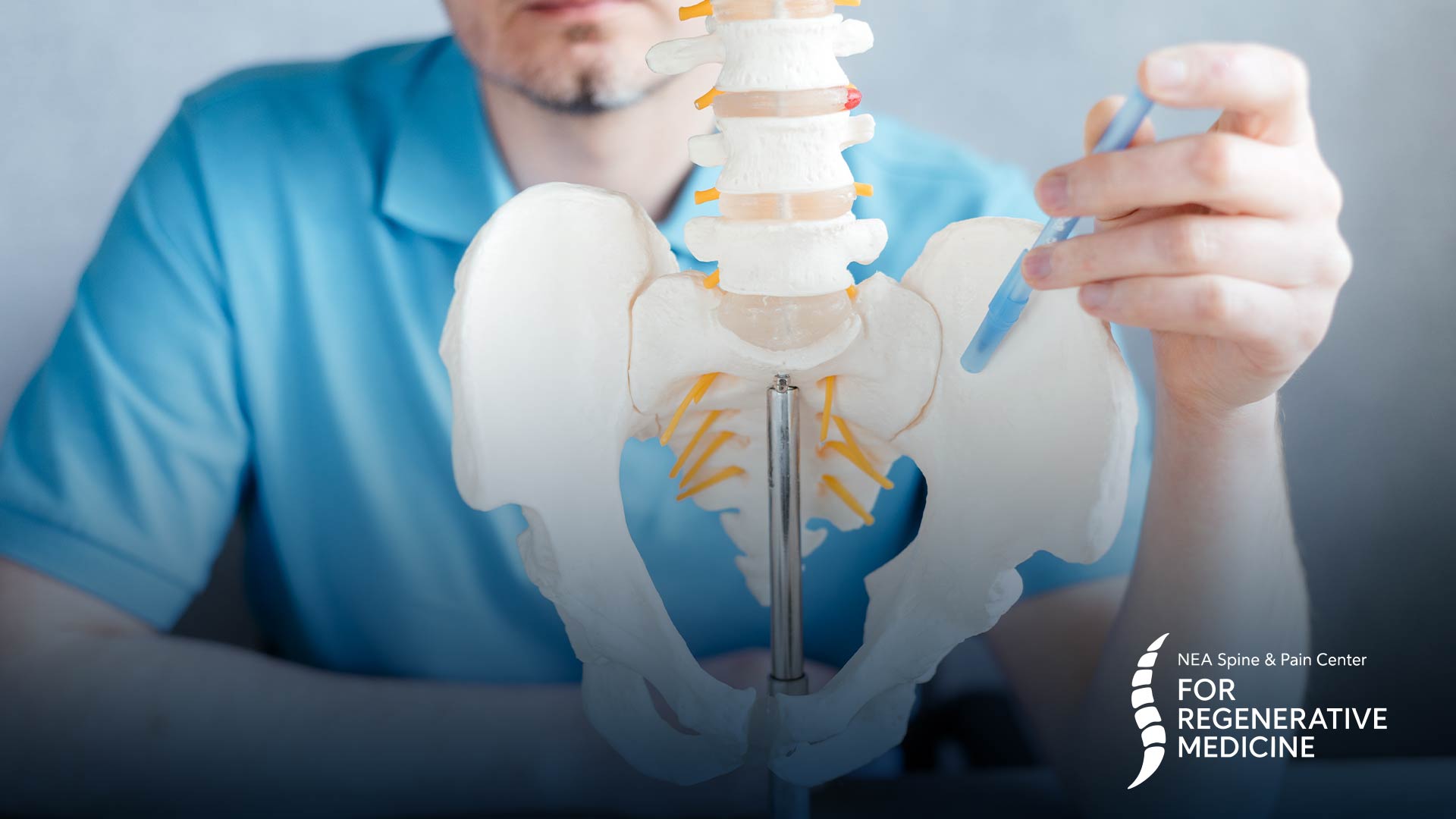
The sacroiliac joints may cause pain in the lower back, buttocks, or hip. A sacroiliac joint injection is an effective method for determining whether your pain is caused by a problem with the sacroiliac joint. The procedure can also be beneficial in alleviating pain in that region.
What is the sacroiliac joint anatomy?
The sacrum (lower portion of the vertebrae) is connected to the ilium bone (hip bone) by the SI joint, which is situated in the lower back. The SI joint is distinct from any other joint in the human body, as it does not move because it is fused together by ligaments.
What is a sacroiliac joint injection?
Sacroiliac (SI) joint injection is a minimally invasive procedure that involves injecting a combination of local anesthetic and/or corticosteroid medicines directly into the SI joint. In order to guarantee precision and accuracy, the injection is administered under the guidance of ultrasonography or fluoroscopy.
Sacroiliac joint injections purposes:
• Diagnostic purpose: To identify whether the SI joint is the cause of lower back pain. Typically, this injection is administered solely with a local anesthetic. If the patient feels significant pain alleviation soon after the injection, it is a good indication that his SI joint is the source of his problem.
• Treatment purpose: To alleviate the chronic SI joint pain for an extended period. Pain relief can last for several days to months, depending on the combination of medications used.
The benefits of SI joint injections include achieving sacroiliac pain relief, facilitating the progression of physical therapy, and enhancing the patient's quality of life.
Who needs SI joint injections?
When the sacroiliac joint is suspected to be the source of lower back or leg discomfort, Dr. Abraham, board-certified anesthesiologist and pain management specialist, recommends SI joint injections.
There are numerous conditions that can result in the SI joint pain, such as:
• Sacroiliac joint dysfunction: Pain resulting from the excessive or insufficient movement of the SI joint is the most prevalent cause of SI joint pain and is typically caused by injury, pregnancy, and osteoarthritis
• Ankylosing spondylitis: Inflammatory arthritis that affects the spine and can result in SI joint inflammation over time.
Before considering a SI joint injection for lower back pain, it is critical to rule out other possible causes and attempt conventional alternatives to SI joint injections first, such as physical therapy or over-the-counter drugs. SI joint injections may be advantageous for patients who have experienced chronic lower back pain and have not experienced alleviation from alternative treatments, including oral medication, physical therapy, or manual manipulation.
How will the SI joint injections procedure be performed?
1. The preparation for sacroiliac injections involves inserting an IV access to administer medication to alleviate your discomfort and promote relaxation. You must remain alert during the procedure to inform Dr. Abraham of any unusual symptoms or discomfort.
2. You will be placed on a specialized X-ray table while lying on your stomach.
3. The medical team will cleanse your back skin with an antiseptic cleanser.
4. Dr. Abraham will identify the precise location of the SI joint injection using fluoroscopy, a specialized X-ray equipment.
5. Local anesthetic, a numbing agent, is administered to the region where the needle will be implanted.
6. Dr. Abraham will insert the needle under fluoroscopy, which enables him to observe the needle as it advances into the sacroiliac joint and your vertebrae.
7. Dr. Abraham will administer the medication after the catheter is positioned correctly.
8. A band-aid dressing will be applied to the skin.
9. After that, you will be transported to the recovery area, where you will be closely monitored for the subsequent 30-45 minutes.
10. Once Dr. Abraham has authorized your discharge, he will provide you with a guide to SI joint injections, which offers comprehensive information on the SI joint injection recovery time, complications, side effects, restrictions, and your follow-up appointment.
How do SI joint injections work?
• Six hours following the injection, the local anesthetic or numbing medication will dissipate.
• Before the steroid medication takes effect, your pain may temporarily return. This does not imply that the block is ineffective.
• The steroid or anti-inflammatory medication may not begin to act for 24 to 72 hours. Occasionally, it may require up to one week for the steroid to be effective.
• The duration of the SI joint injection may range from days to months.
• If you experienced partial sustained relief after the initial SI joint injection, you may require additional injections to attain a more profound level of sustained pain relief.
Can SI joint injections help sciatica?
The SI injection can alleviate pain in the low back, groin, buttocks, and limb, which may also be the result of nerve inflammation/irritation or swelling in the sacroiliac joint.
What are the potential risks of sacroiliac injections?
The medications used may result in a minor risk of hemorrhage, infection, nerve injury, or allergic reaction. Sacroiliac injection side effects may manifest in the short term. These can be the consequences of the local anesthetic spreading to adjacent nerves, which can lead to numbness or weakness that can persist for several hours. Following the injection, you may experience heightened pain for several days, which may include localized pain at the injection site. Your blood glucose levels may be temporarily elevated if you have diabetes. For a period of 1-2 weeks, individuals who are susceptible to fluid retention may experience an increase in fluid retention.
At New England Advanced Spine and Pain Center for Regenerative Medicine, Dr. Abraham, board-certified anesthesiologist and pain management specialist, offers a high success rate of SI joint injections, with many patients experiencing lasting pain relief and improved mobility. Compared to surgery, SI joint injection vs surgery is a minimally invasive option with faster recovery and fewer risks. The SI joint injection cost may vary based on your insurance and treatment plan, but our team ensures transparent pricing and optimal value.
If you’ve been browsing the internet for "sacroiliac joint injection near me," schedule your consultation today with Dr. Abraham to restore comfort, movement, and confidence in your daily life.